
SUNT LACRIMAE RERUM ET MENTEM MORTALIA TANGUNT
In the visceral world echo the voices of those whose gaze is turned inward, into the depths of their own pupils:
Sunt lacrimae rerum et mentem mortalia tangunt.
There are tears in things, and mortal matters touch the soul.
In all existing things that compose our daily life, are enclosed the sufferings absorbed through the observation of external events:
they collect within themselves all the tears of misfortune and the torments of mortal souls — souls who, deprived of the beauty of the world, find refuge in darkness.
Sunt lacrimae rerum et mentem mortalia tangunt.
There are tears in things, and mortal matters touch the soul.
In all existing things that compose our daily life, are enclosed the sufferings absorbed through the observation of external events:
they collect within themselves all the tears of misfortune and the torments of mortal souls — souls who, deprived of the beauty of the world, find refuge in darkness.
The souls who abandon in tears their formae corporis meet, intersect, and dance — joined in their shared feeling, composing the symphony of sorrow, a perpetual darkness in the heart.
These souls are not content with the surface:
rather, they dive into the deepest recesses of existence.
For though they come from the depths, for them the visible world exists;
they transform that which is base, cruel, and degrading into noble thoughts and elevated passions.
These souls are not content with the surface:
rather, they dive into the deepest recesses of existence.
For though they come from the depths, for them the visible world exists;
they transform that which is base, cruel, and degrading into noble thoughts and elevated passions.
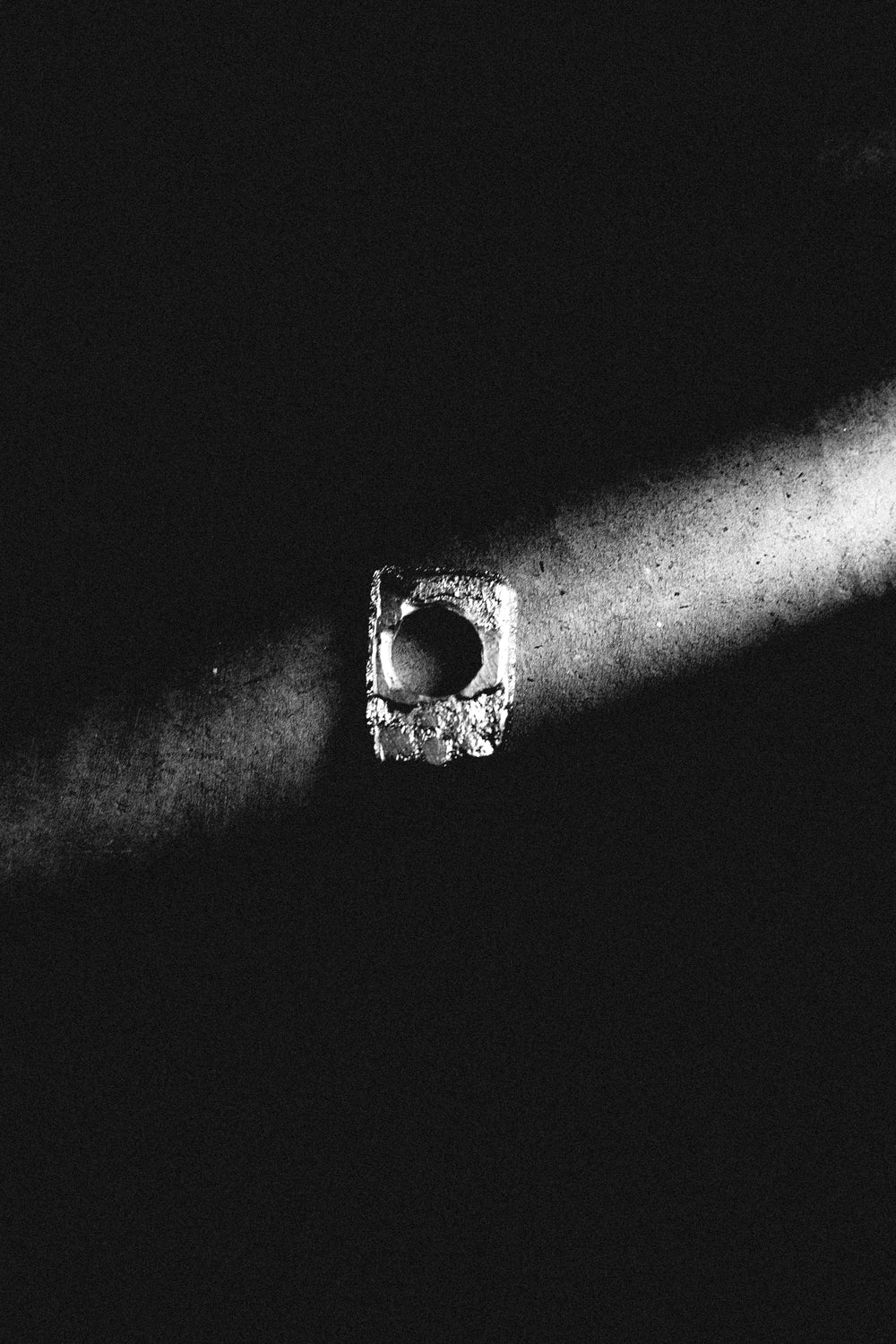
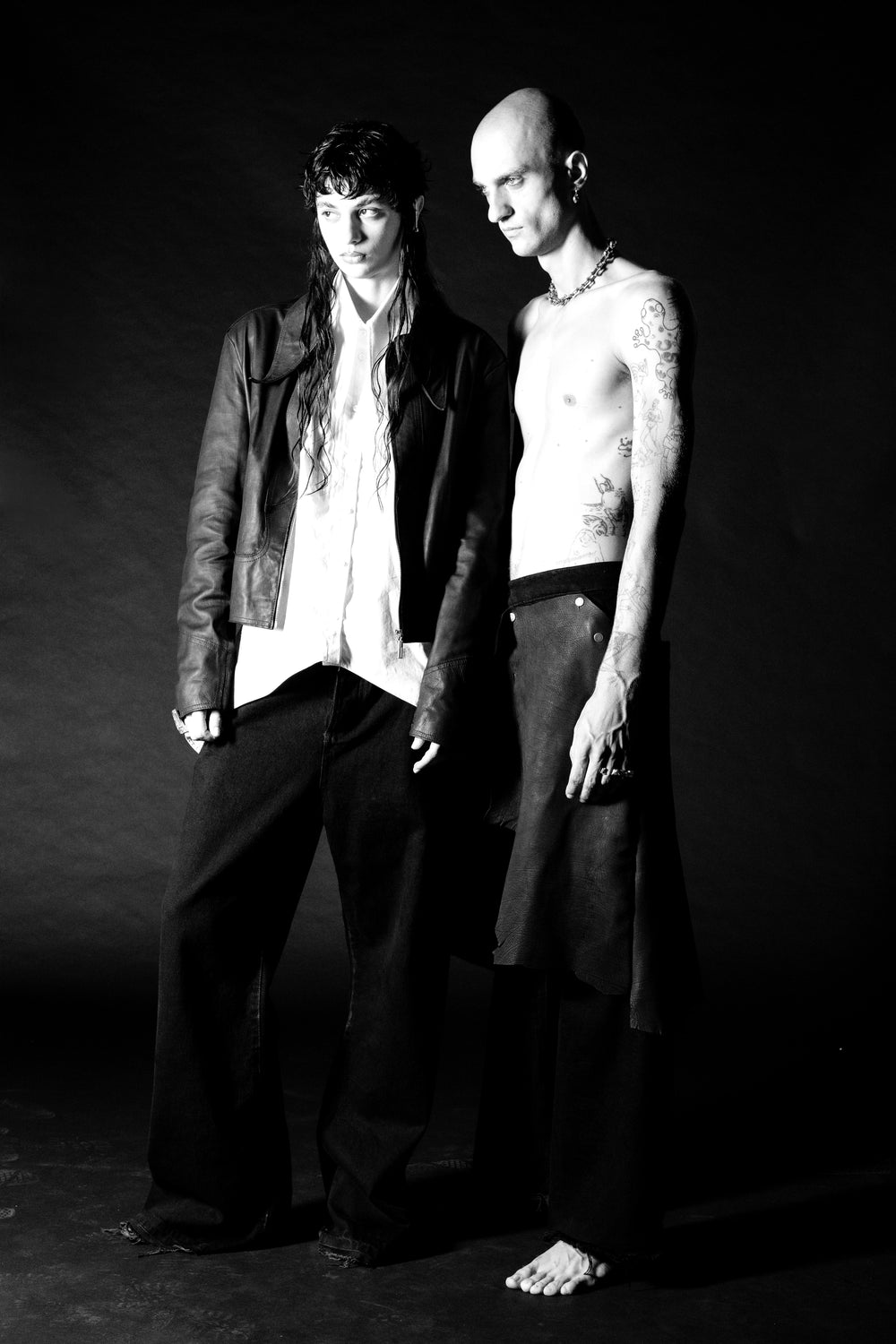
No degree of the world’s darkness can extinguish the glow of an inner light.
To create, then, is to live twice:
through the work of the hand, we give form and substance to that light.
Every cut, every seam, every fold is a quiet dialogue between the maker and the material — slow, deliberate, never repeated the same way twice.
This is manifattura: the bridge between what is felt and what is worn, between the one who shapes it and the one who chooses to wear it.
To make by hand is to stay close — to the material, to the gesture, and to the person on the other side of it.
Pour qui le monde visible existe: Lanobi
To create, then, is to live twice:
through the work of the hand, we give form and substance to that light.
Every cut, every seam, every fold is a quiet dialogue between the maker and the material — slow, deliberate, never repeated the same way twice.
This is manifattura: the bridge between what is felt and what is worn, between the one who shapes it and the one who chooses to wear it.
To make by hand is to stay close — to the material, to the gesture, and to the person on the other side of it.
Pour qui le monde visible existe: Lanobi
SUNT LACRIMAE RERUM ET MENTEM MORTALIA TANGUNT
In the visceral world echo the voices of those whose gaze is turned inward, into the depths of their own pupils:
Sunt lacrimae rerum et mentem mortalia tangunt.
There are tears in things, and mortal matters touch the soul.
In all existing things that compose our daily life, are enclosed the sufferings absorbed through the observation of external events:
they collect within themselves all the tears of misfortune and the torments of mortal souls — souls who, deprived of the beauty of the world, find refuge in darkness.
Sunt lacrimae rerum et mentem mortalia tangunt.
There are tears in things, and mortal matters touch the soul.
In all existing things that compose our daily life, are enclosed the sufferings absorbed through the observation of external events:
they collect within themselves all the tears of misfortune and the torments of mortal souls — souls who, deprived of the beauty of the world, find refuge in darkness.
The souls who abandon in tears their formae corporis meet, intersect, and dance — joined in their shared feeling, composing the symphony of sorrow, a perpetual darkness in the heart.
These souls are not content with the surface:
rather, they dive into the deepest recesses of existence.
For though they come from the depths, for them the visible world exists;
they transform that which is base, cruel, and degrading into noble thoughts and elevated passions.
These souls are not content with the surface:
rather, they dive into the deepest recesses of existence.
For though they come from the depths, for them the visible world exists;
they transform that which is base, cruel, and degrading into noble thoughts and elevated passions.
No degree of the world’s darkness can extinguish the glow of an inner light.
To create, then, is to live twice:
through the work of the hand, we give form and substance to that light.
Every cut, every seam, every fold is a quiet dialogue between the maker and the material — slow, deliberate, never repeated the same way twice.
This is manifattura: the bridge between what is felt and what is worn, between the one who shapes it and the one who chooses to wear it.
To make by hand is to stay close — to the material, to the gesture, and to the person on the other side of it.
Pour qui le monde visible existe: Lanobi
To create, then, is to live twice:
through the work of the hand, we give form and substance to that light.
Every cut, every seam, every fold is a quiet dialogue between the maker and the material — slow, deliberate, never repeated the same way twice.
This is manifattura: the bridge between what is felt and what is worn, between the one who shapes it and the one who chooses to wear it.
To make by hand is to stay close — to the material, to the gesture, and to the person on the other side of it.
Pour qui le monde visible existe: Lanobi
INDIETRO
MANIFESTO